
Where I Actually Eat in Monti
Nine doors, every one within four minutes of my front door, and what each is truly for. A short list, because it is an honest one.
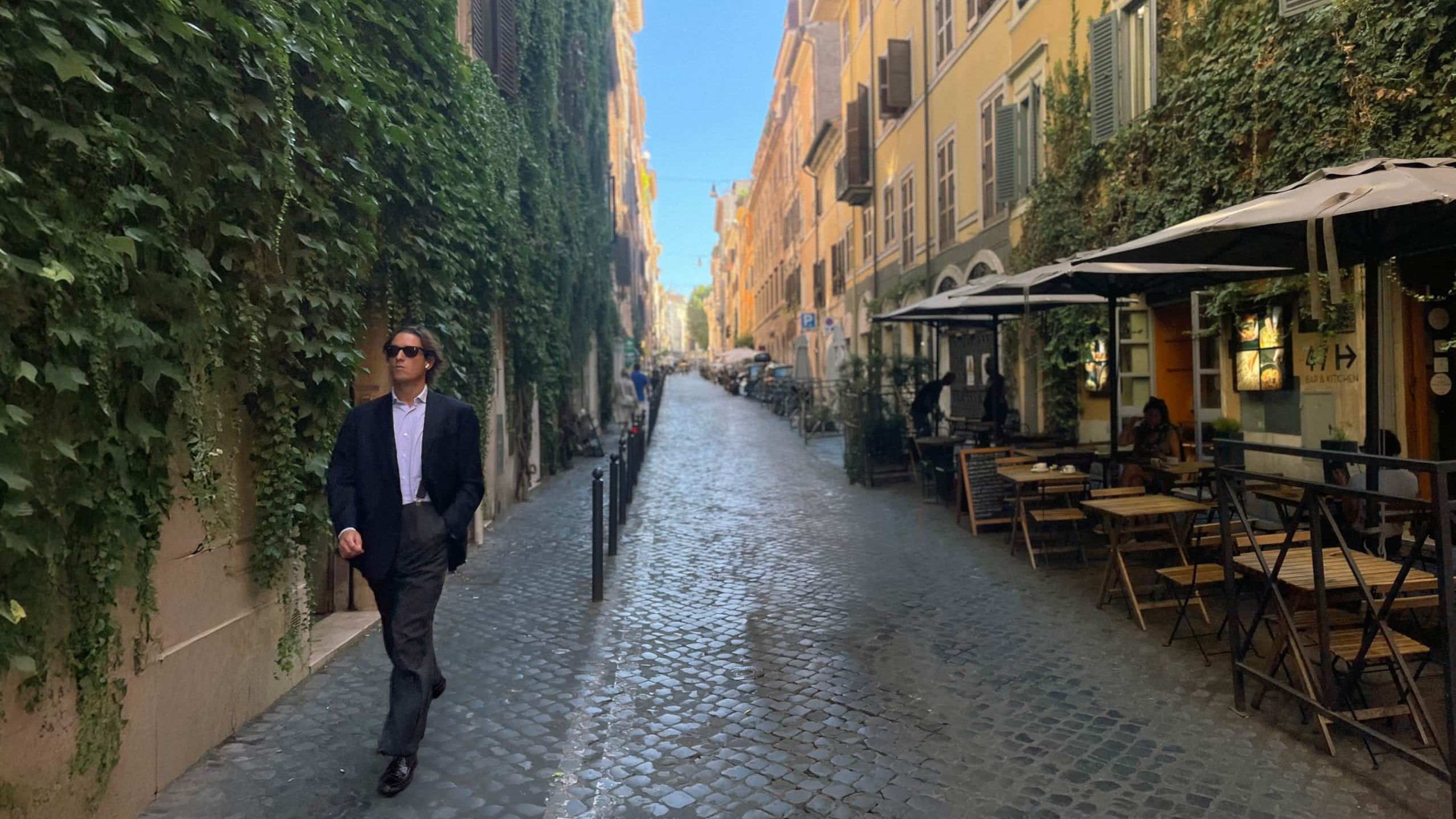
Most restaurant guides to Rome carry forty entries and are, for that reason, useless. Forty is not a recommendation. It is a database, and it will not tell you which door to walk through when you are tired and hungry and it is nine o’clock at night and somebody in your group is starting to lose their temper.
So this is the list I hand to guests, and it is deliberately short. Every place on it is within four minutes of our front door on Via Urbana, and every one of them is somewhere I eat myself, often, with people I love. That is the only qualification that means anything, and it is the only one I can honestly offer you.
Why Monti feeds you better than the streets below it
There is a mechanism here, and it is worth understanding because it will help you choose well even at places I have never been.
Restaurants that face a monument are supported by people who will eat there exactly once. Indifference costs them nothing. Restaurants on a residential street in a rione where people still live are supported, in significant part, by regulars who will come back next Tuesday or not at all. That is a much harsher market.
It does not guarantee a good dinner. It changes the base rate enormously, and it means that in Monti, wandering into somewhere unresearched is a much lower-stakes decision than it is four hundred metres downhill.
The universal rules still hold, everywhere in central Rome:
- A menu with photographs is aimed at people who cannot read the words, which means it is aimed at tourists, which means it is not aimed at eating well.
- Someone standing outside inviting you in means the tables are not filling on their own.
- A direct view of a famous ruin is charged for, and the food pays.
None of those are snobbery. They are just how the economics land.
Broccoletti, Via Urbana 104
A minute or two down the street. Roman cooking, done properly.
This is where I send people who have one dinner in Rome and want it to be the Roman one. The four canonical pastas, carbonara, cacio e pepe, amatriciana and gricia, are the test any Roman kitchen is judged on, because there is nowhere to hide in a dish made of five ingredients. Broccoletti passes it.
Book, or go early. It is small, it is on a street people live on, and at half past eight on a Friday you will not walk in.
Aromaticus, Via Urbana 134
Directly across the street. Fresh vegetable cooking.
Rome is not a hard city to eat well in as a vegetarian, but it is a hard city to eat interestingly in as a vegetarian. You can end up with a fortnight of the same three dishes. Aromaticus is the answer to that, and it is thirty seconds from the door.
It is also where to go on the third day, when you have eaten a great deal of pork fat and cheese and your body would like a word.
Trieste Pizza, Via Urbana 112
A few steps to the right as you come out. Pizza al taglio.
Pizza by the slice, sold by weight, which is the everyday Roman lunch rather than the sit-down-with-a-bottle-of-wine kind. You point at what you want, they cut it, they weigh it, you eat it walking.
This is the solution to two specific problems: lunch when you do not want to lose an hour to a restaurant, and arriving back in Monti at eleven at night having badly misjudged when you would eat. It has rescued a great many evenings, mine included.
Tettarello, Via dei Capocci 4
One or two minutes. The cheap, traditional one.
Round the corner, entirely without ceremony, and completely honest: pizza, pasta and house wine in a carafe, in a room where nobody is performing anything. This is the fourth night, when you have walked eleven kilometres and the last thing anyone wants is to make a decision. I love it precisely for that, and I would be sorry to see it discovered.
La Taverna dei Fori Imperiali, Via della Madonna dei Monti 9
Three or four minutes. My choice, if you only have one dinner.
Family run, small, and exact. The classics are the classics here, done without a single flourish that does not belong: bruschetta, tonnarelli cacio e pepe, saltimbocca. What lifts it is the room, which has the particular warmth that only comes from a restaurant staffed by people who are related to one another.
It is full every night of the week. Write to them before you fly. I would rather you had the table than the story about the queue.
Fafiuché, Via della Madonna dei Monti 28
Two or three minutes. The wine.
My wine bar, and the one I take people to when I want them to understand that Italian wine is a very large country and not a shelf. Hundreds of labels with real weight in Piedmont behind the counter, and a tiny kitchen sending out Piedmontese and Pugliese plates to keep them company.
Do not read the list from the top. Ask whoever is pouring what they are excited about this week and order that, whatever it turns out to be. Evenings only, closed on Sunday, and it fills, so book.
Caffè Monti
A minute or two. The morning espresso.
Not a destination, a habit. Stand at the bar, drink it there, pay at the till. Sitting down at a table can carry a different price, which is not a scam. It is a service charge, and it is posted.
Two rules that will make you look less like a visitor: a cappuccino is a breakfast drink and ordering one after lunch marks you out gently, and “un caffè” means an espresso. If you want a longer coffee, ask for a caffè lungo or an americano.
Mercato Rionale Monti, Via Baccina 36
Three or four minutes. The neighbourhood market.
Go even if you are not cooking. It is a covered rione market, the kind that has been feeding a neighbourhood for generations, and walking through it tells you more about how Rome actually lives than any monument will.
But you do have a kitchen in the flat, so: Pippo Tortellino makes fresh pasta on the spot. Buy it, walk it four minutes home, cook it that evening with almost nothing on it. It is the cheapest genuinely memorable meal available to you in Rome and it takes eleven minutes.
The evening, which is not about a restaurant
Piazza della Madonna dei Monti. Two or three minutes.
The small piazza with the fountain, where Monti has its aperitivo. People sit on the steps of the fountain, the bars around it fill, and the whole thing runs from roughly seven until late without anybody organising it.
Take a spritz, find a step, and watch. Wine and cocktail bars line the lanes running off it, and the good move is to have one drink in one and then move. That is what everybody else is doing.
Aperitivo in Italy usually comes with something to eat, which varies from a bowl of crisps to a small plate that meaningfully delays dinner. Plan accordingly.
How to order without thinking about it
A few things that make Roman restaurants easier:
Order less than you think. A full Italian meal is antipasto, primo, secondo, contorno, dolce, and almost nobody eats all five on a weeknight. A primo and a contorno is a completely normal dinner and nobody will find it odd.
Water is bought. Frizzante or naturale, and it arrives in a bottle. Tap water is safe and is simply not the convention in restaurants, though outside them, every one of the cast-iron street fountains runs clean, cold and free.
The bread is not free and is not a starter. It appears on the bill as coperto, a cover charge of a couple of euro per person, which is posted on the menu and is not a tip.
Tipping is not expected. Rounding up is generous. Fifteen percent is an American import that will confuse a Roman waiter.
Dinner starts late. Kitchens in Rome largely open around eight. Turning up at seven means an empty room, which is fine if that is what you want and a bad sign to read if it is not.
What is not on this list
Everything I have not eaten. There are excellent restaurants in Monti I have simply never been to, and I will not pretend otherwise by copying names off a review site. You can read those anywhere, and you would not need me for it.
If you want more, write to me when you arrive, or ask me at the door. That conversation is better in person in any case, because the true answer depends on what day of the week it is, how many of you there are, whether it is raining, and whether you have already had the carbonara.